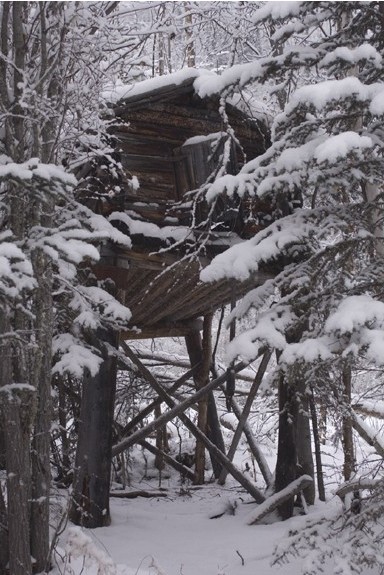
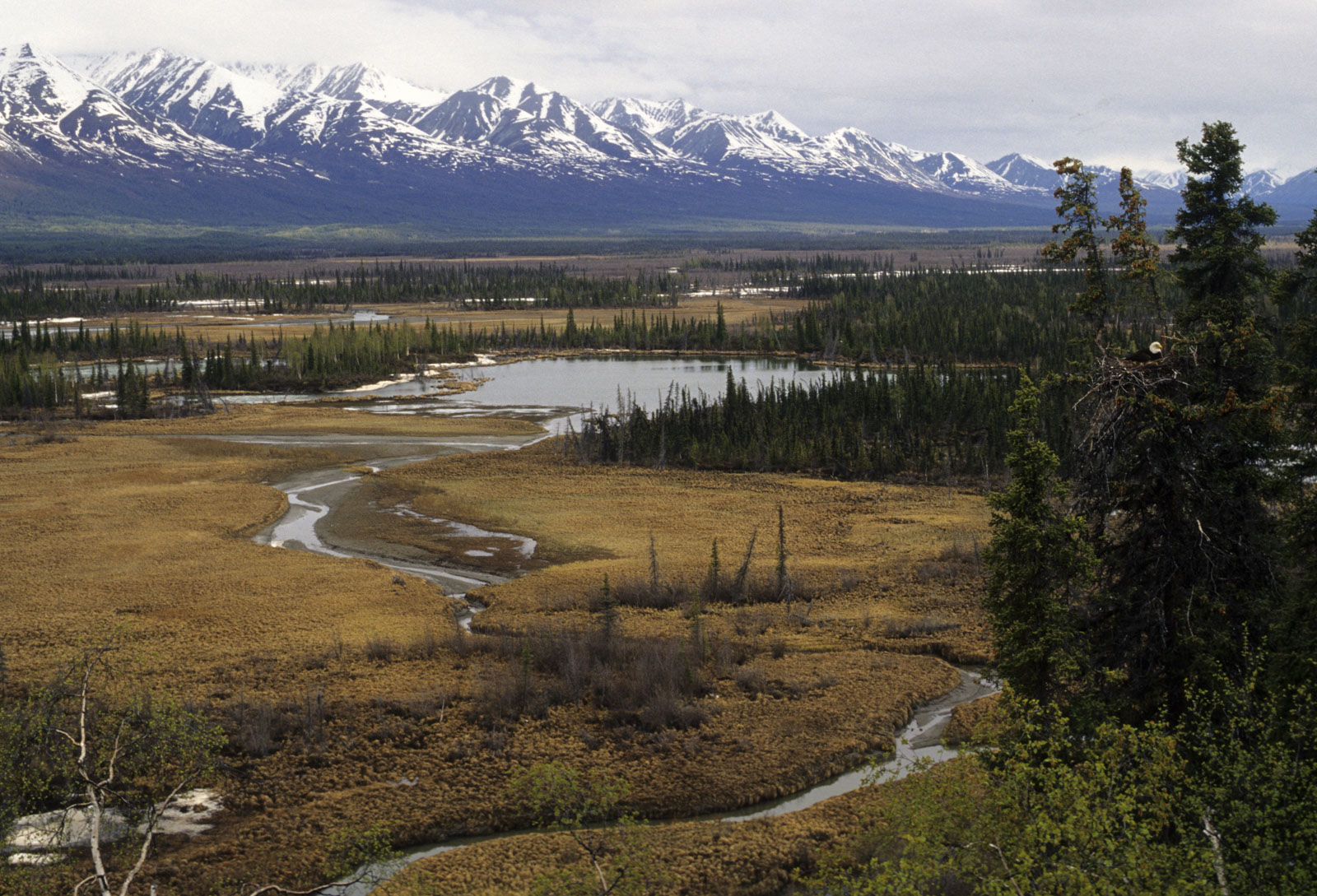
The Alaskan trapper who built his cache on spruce stilts, more than eighty-five years ago, chose this location for a good reason. Nearby is a system of boreal ponds, a unique wetland. Boreal ponds are created when permafrost melts.
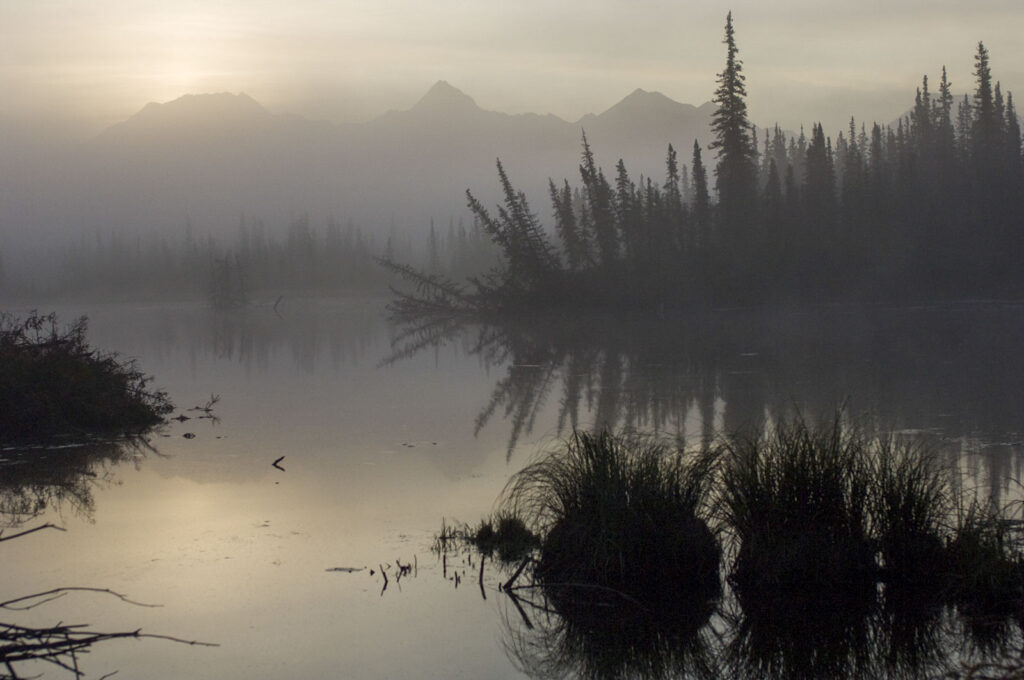
One by one, black spruce topple, converting a forest into an expanding network of boreal ponds. Just below the surface lie their skeletons.
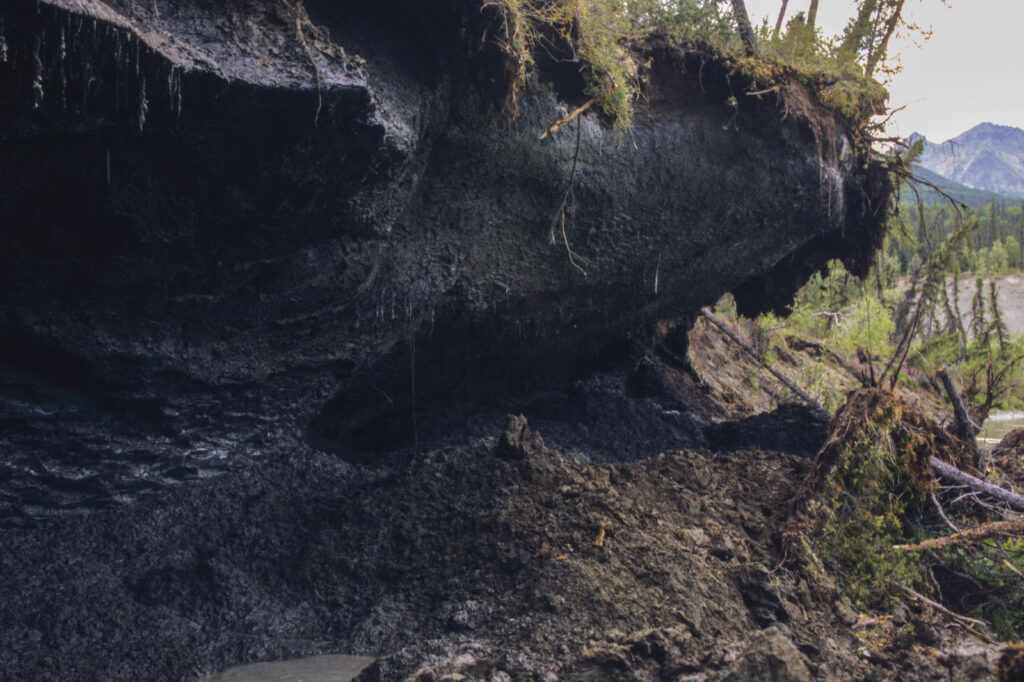
An exposed lens of permafrost rapidly thaws, collapsing the ground under a stand of black spruce.
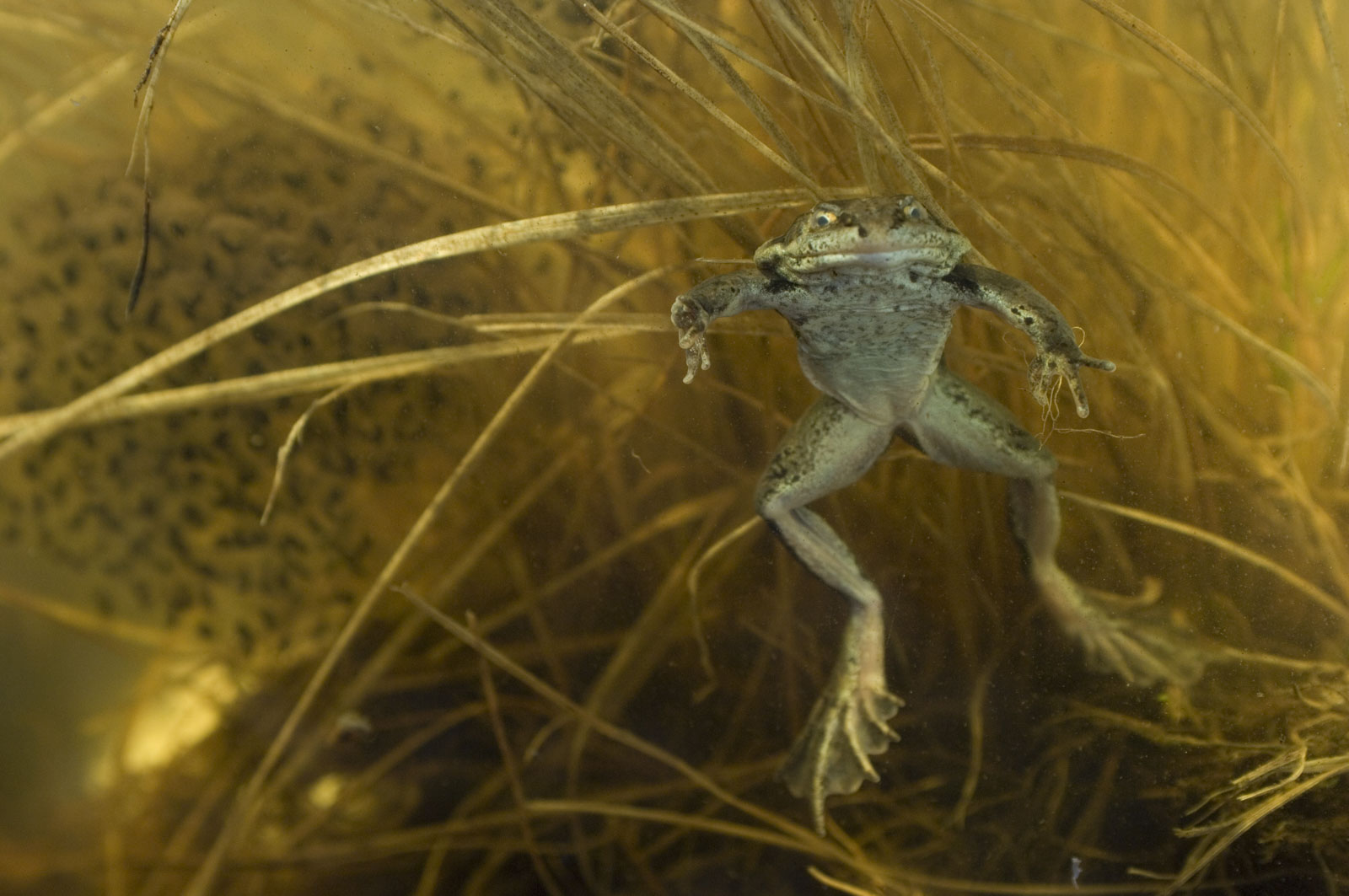
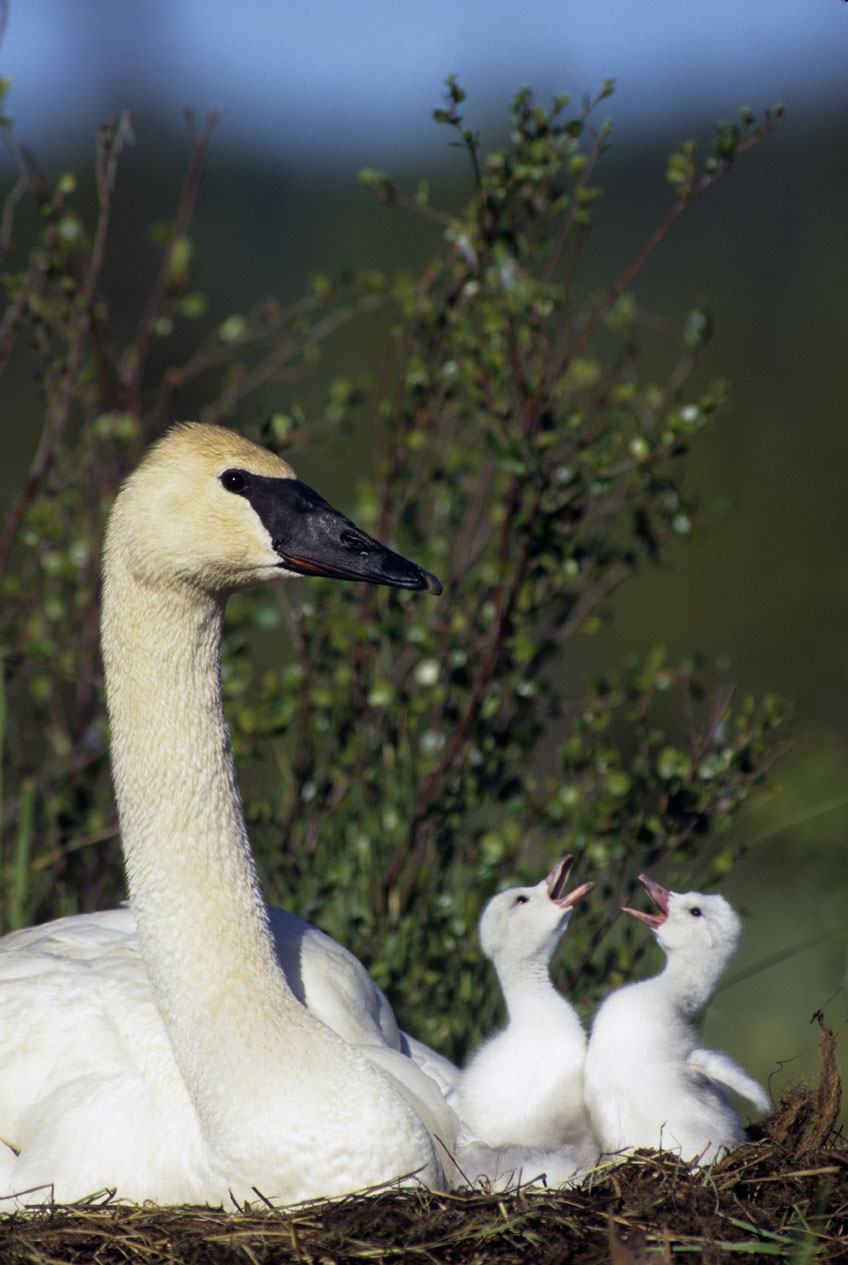
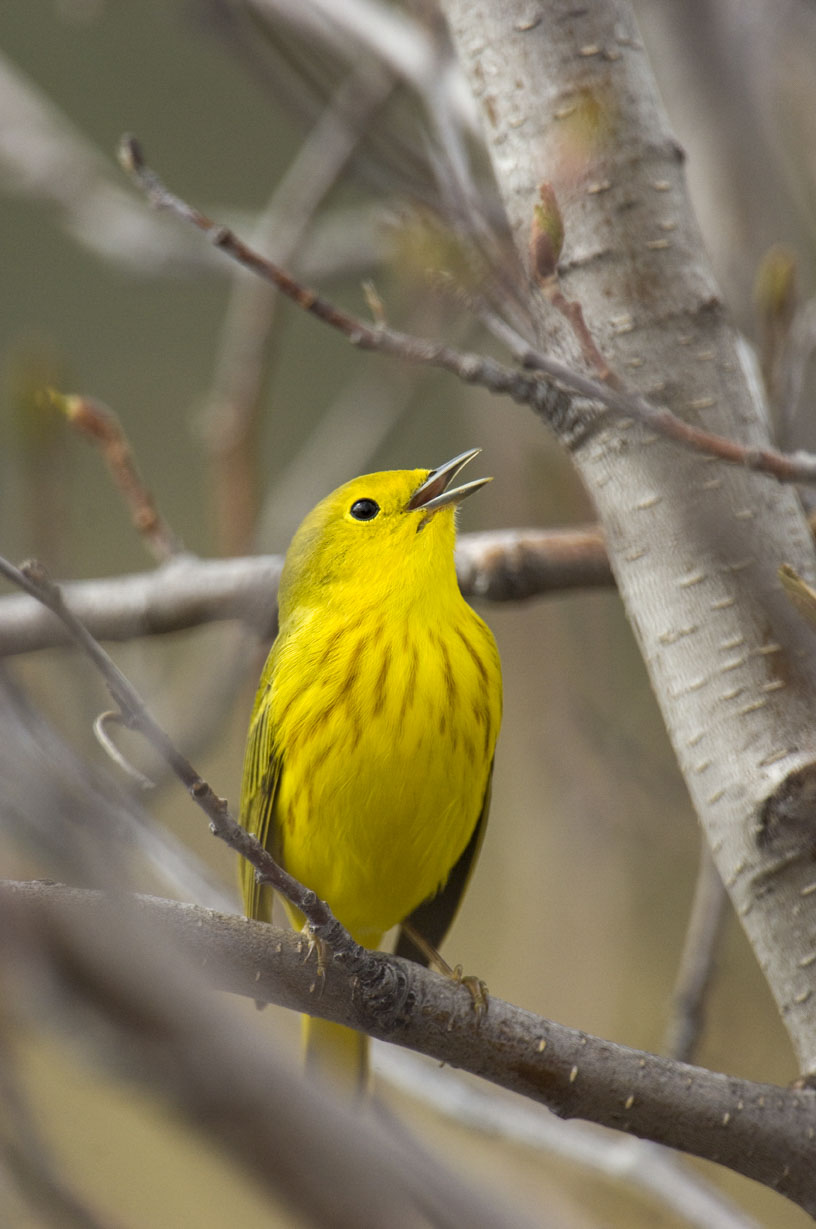
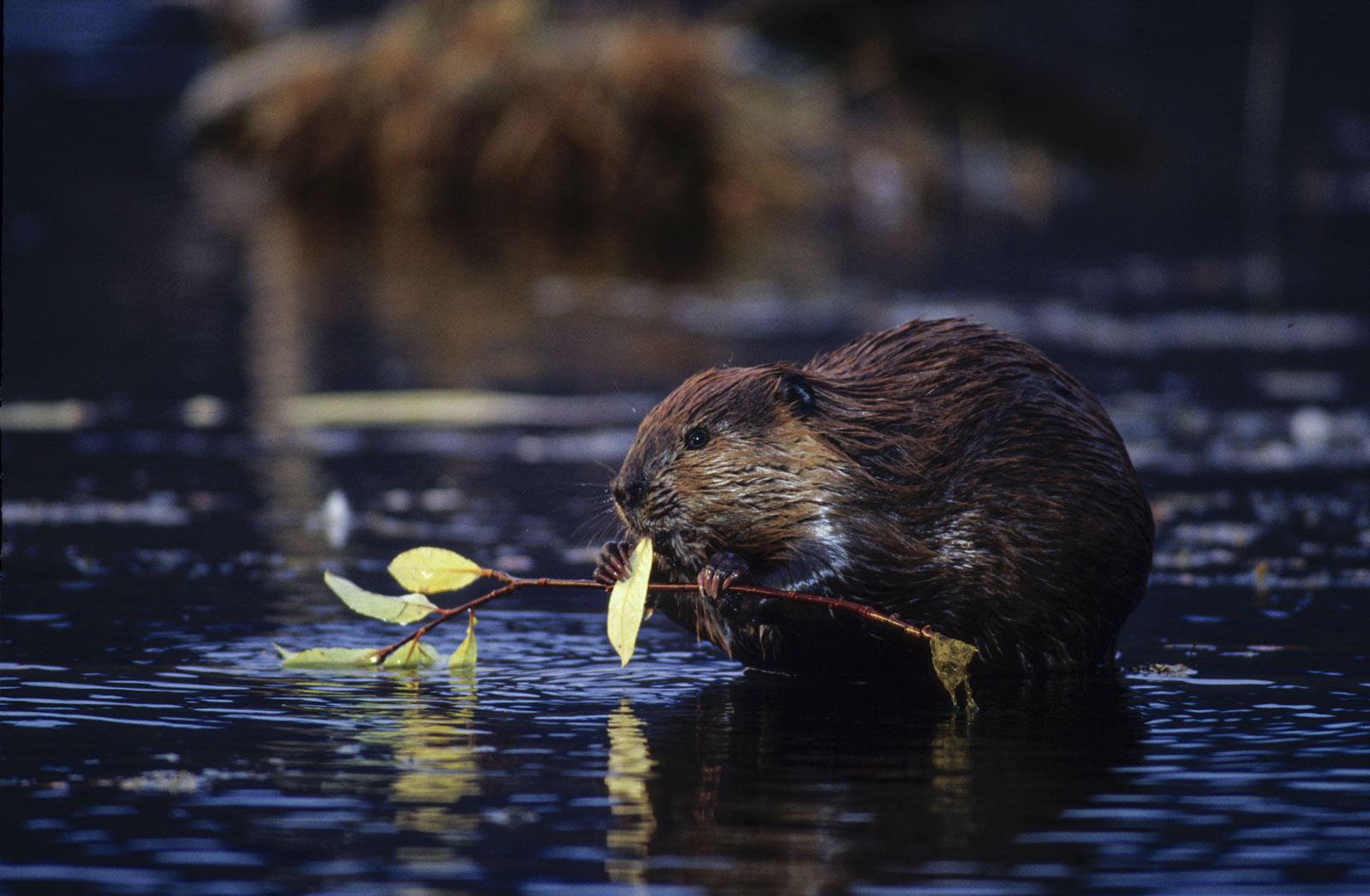
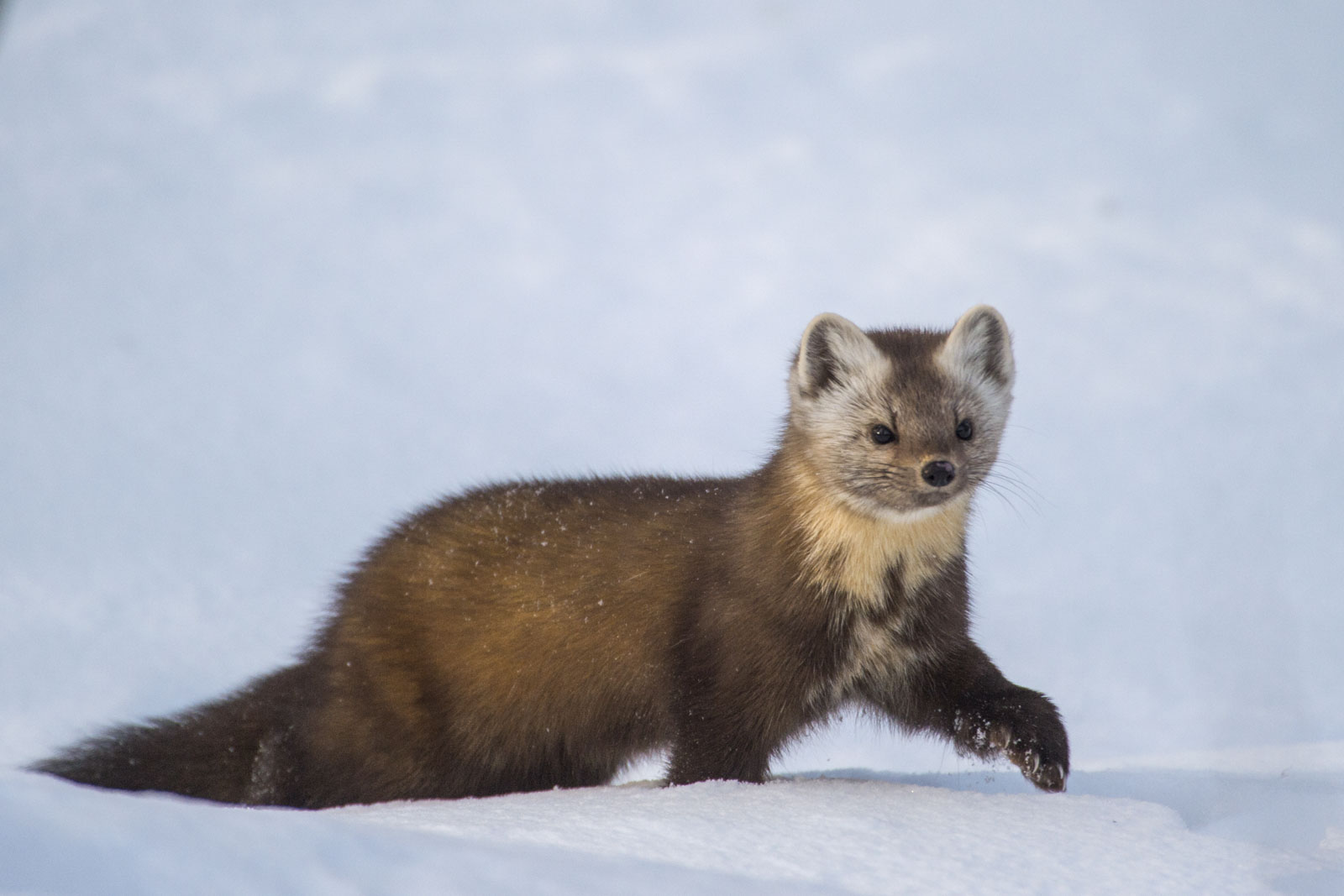
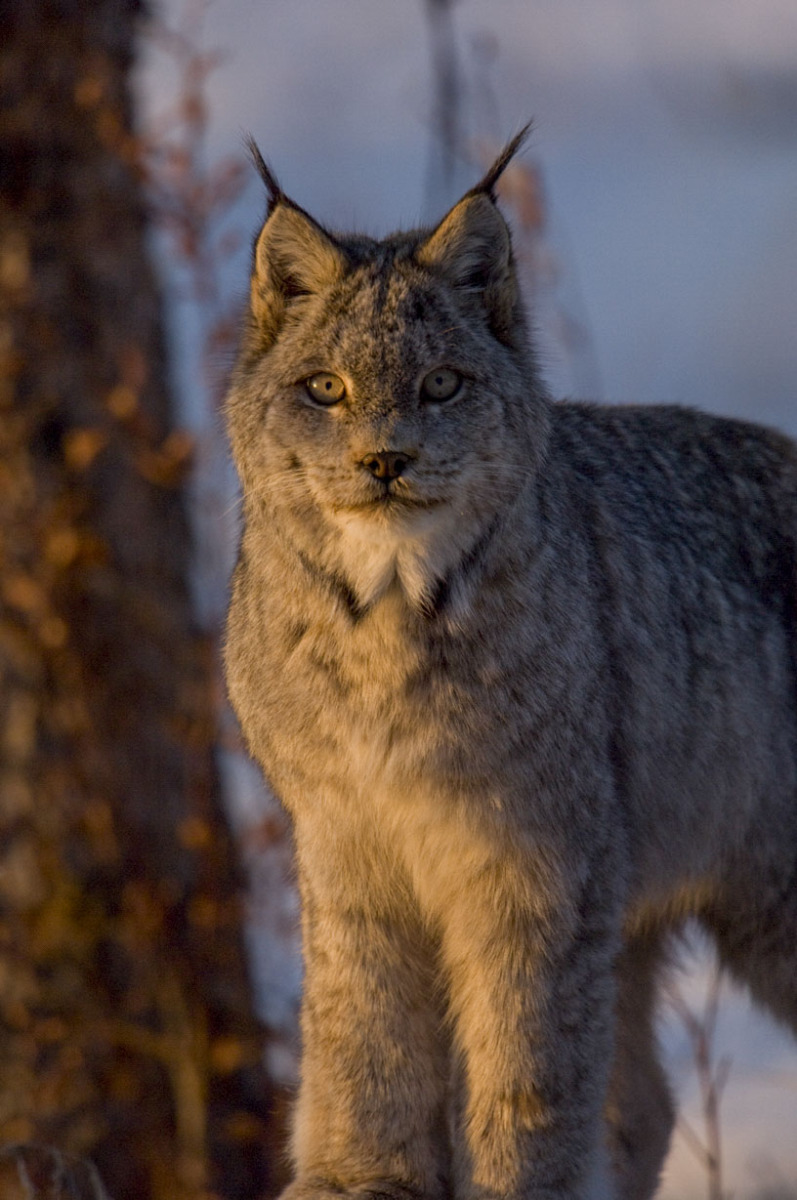
Much more than just the beaver, muskrats, and rare fur-bearing predators the trapper sought, the boreal ponds attract many other animals. Each spring, migrant water birds arrive to breed.
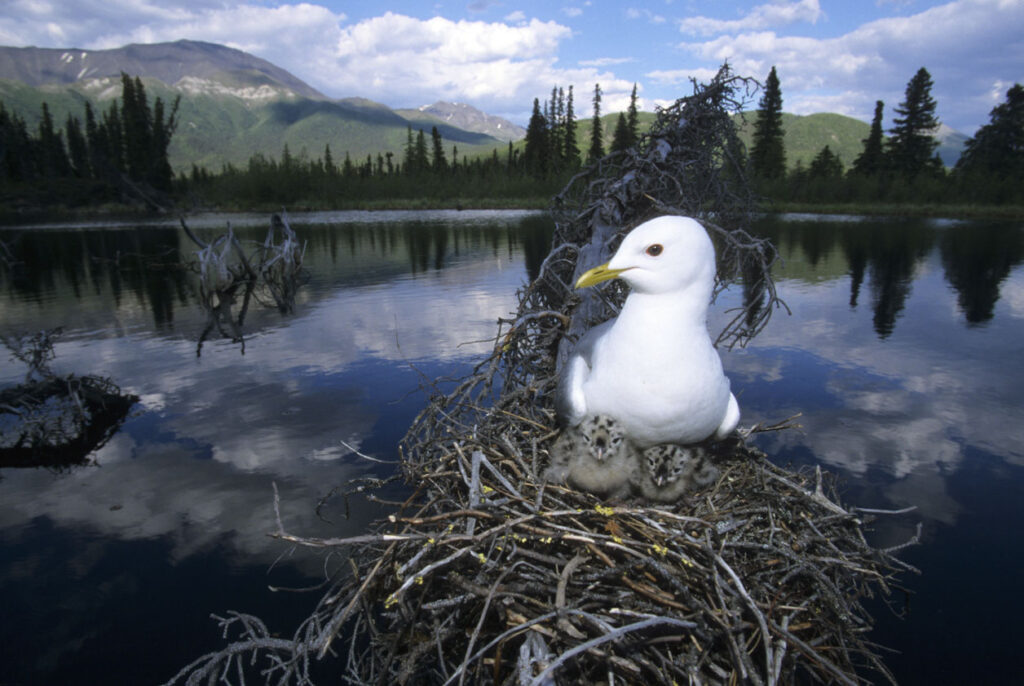
Strung like jewels along Alaska’s interior river valleys, systems of boreal ponds are created when permafrost melts. The unique wetlands increase biodiversity. Water-loving wildlife like these mew gulls migrate here where the summer lasts just long enough to raise a new generation.
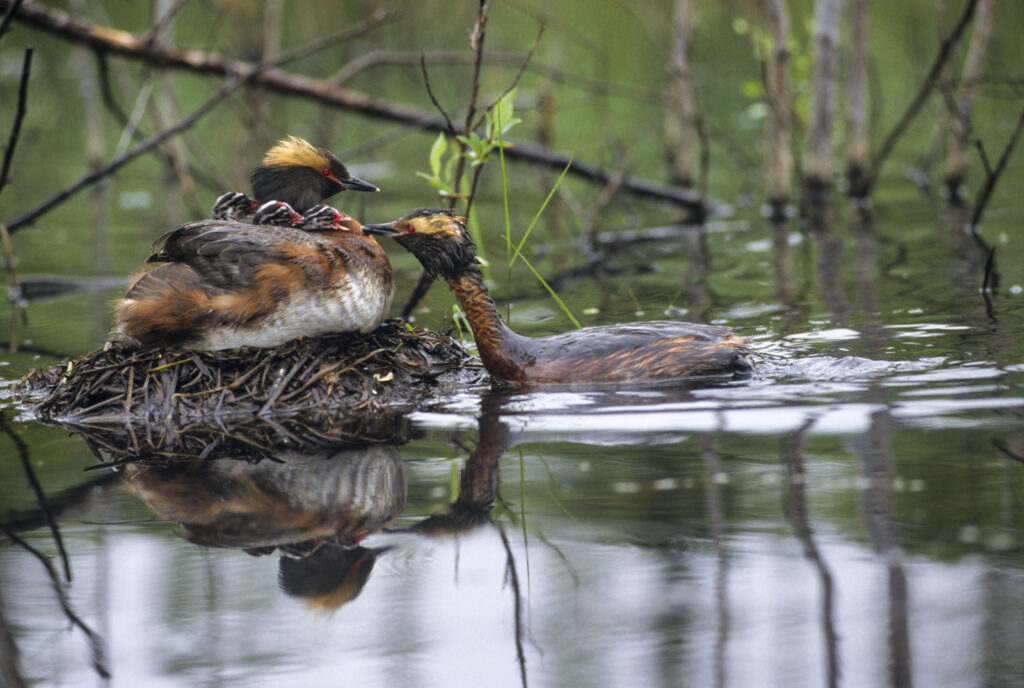
Grebe life is a family affair. Territory maintenance, nest building, incubating, and caring for the chicks are shared duties of this pair of horned grebes.
BOREAL PONDS WILDLIFE GALLERY
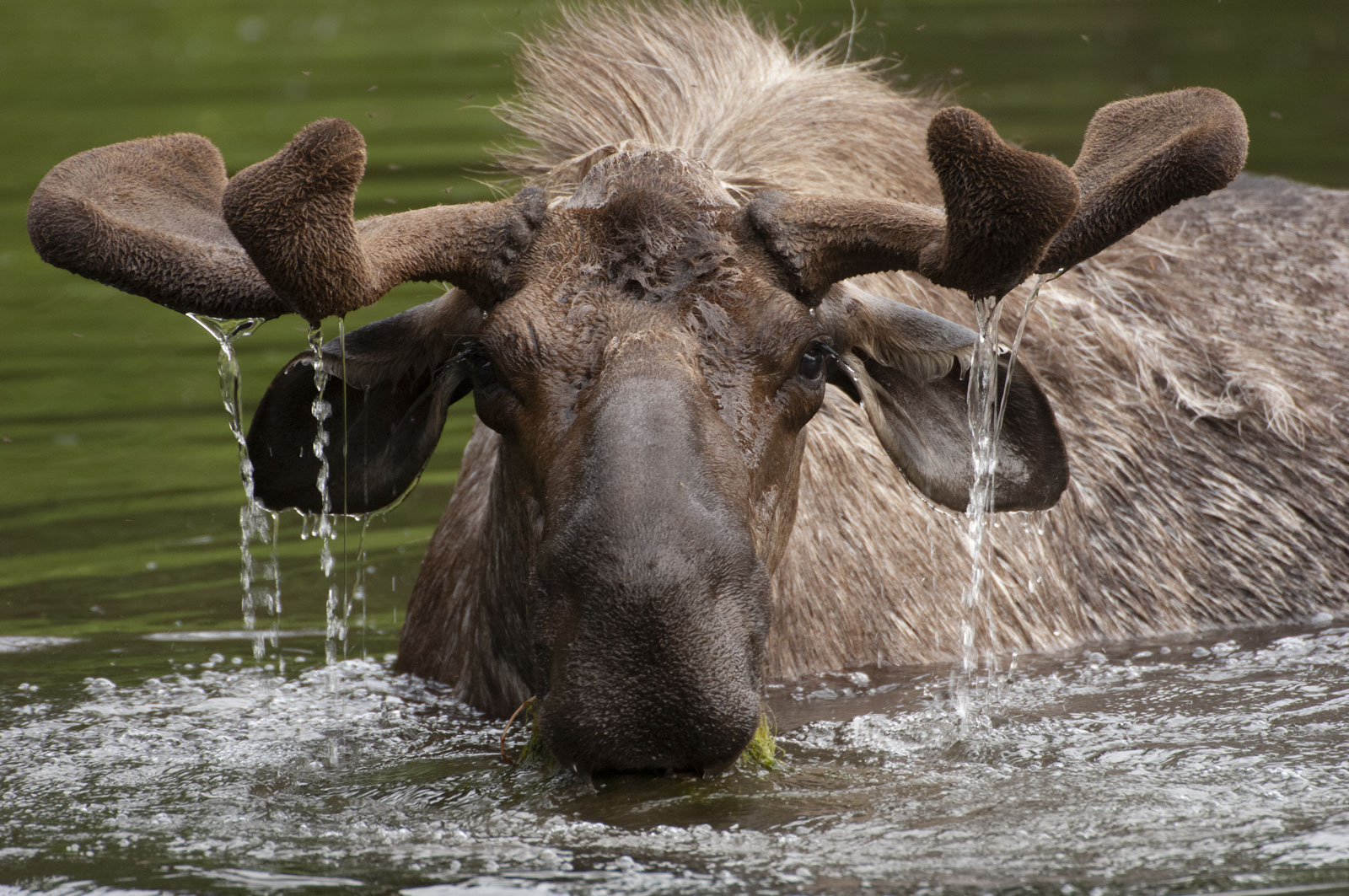
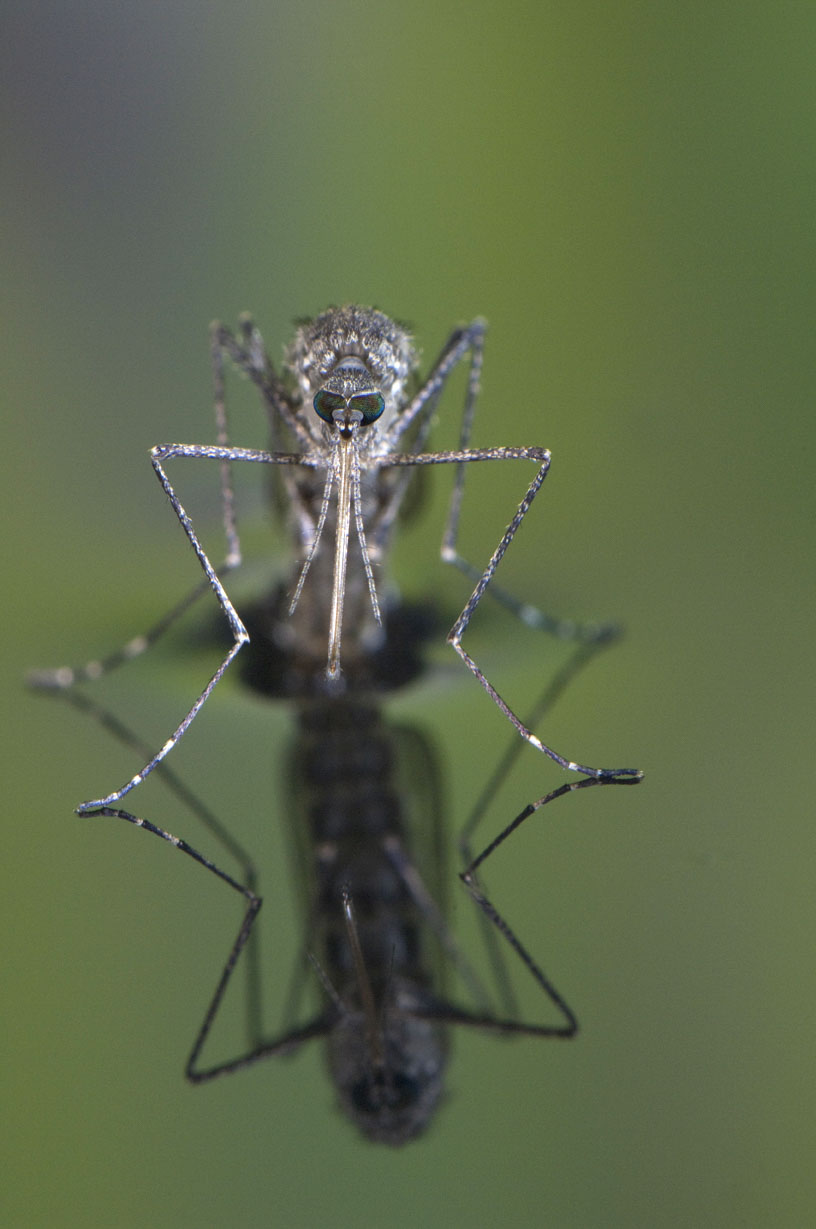
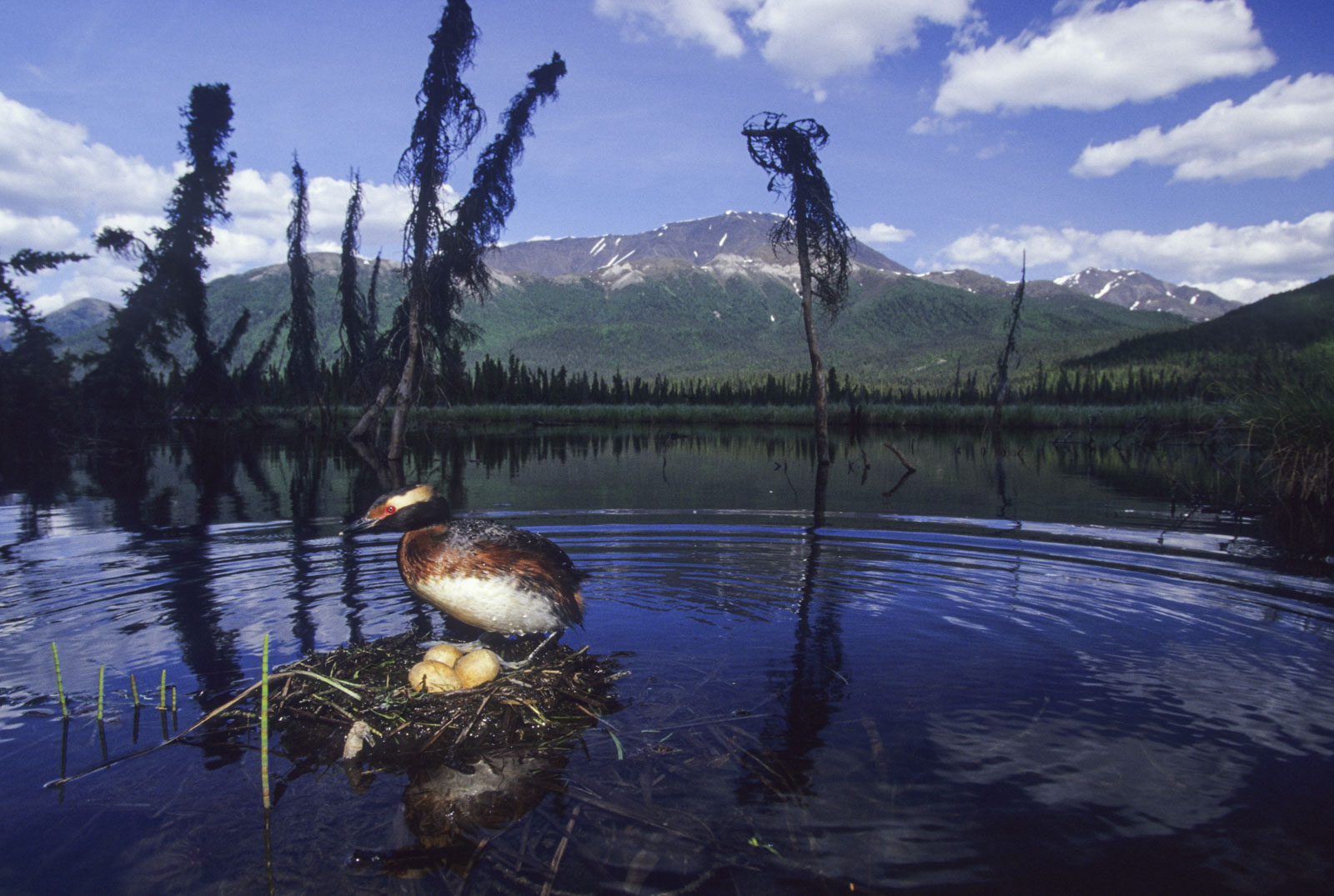
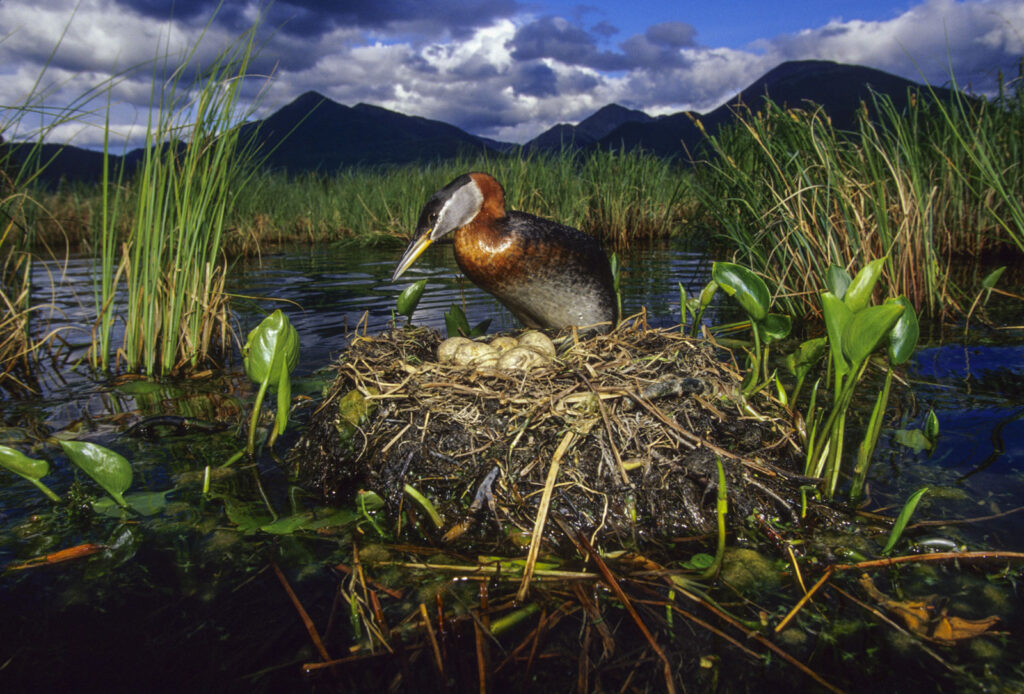
A shy red-necked grebe hops onto its floating nest. I lounge a couple of hundred yards away, lazily swatting mosquitoes and triggering my camouflaged camera with a wireless remote.
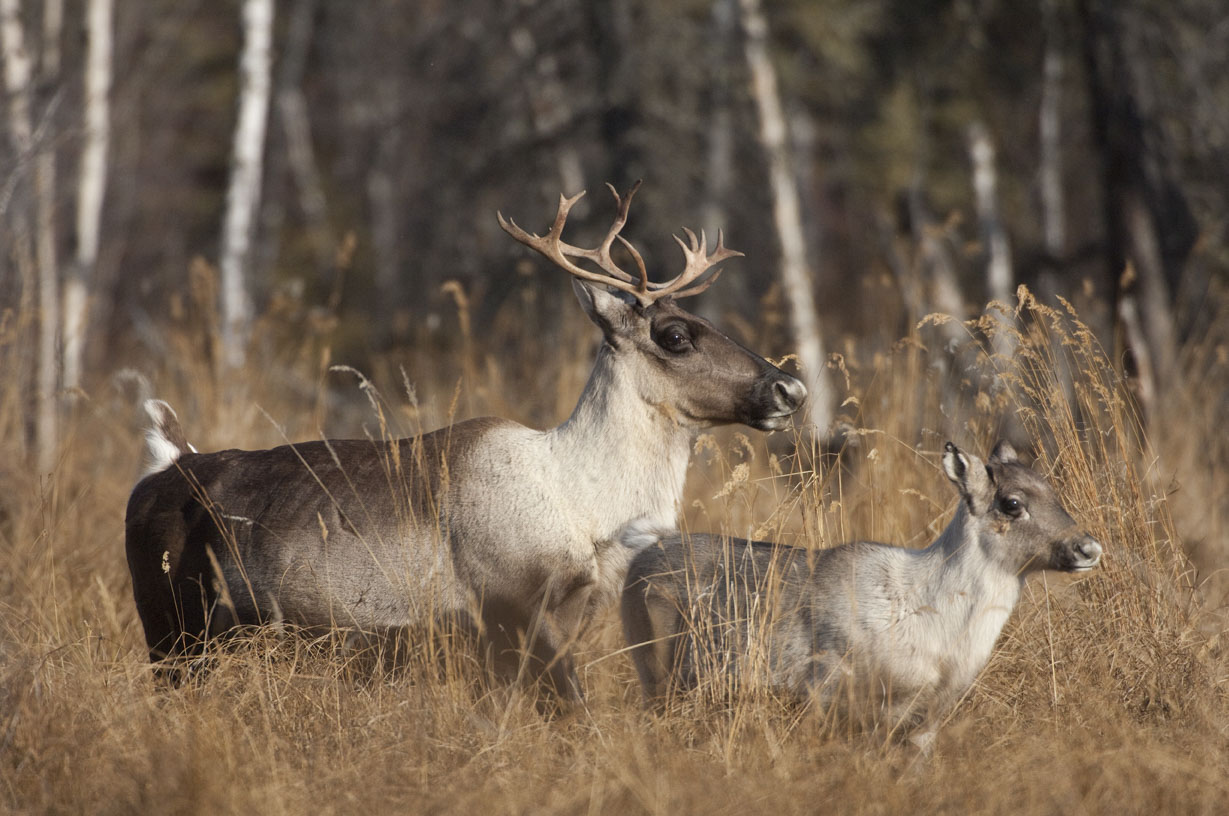
As I wander about the trapper’s old haunts, my thoughts linger in the past. As beaver, muskrat, and river otter splashed around the old trapper’s mind, mosquitoes and grizzlies must have brought reality to the fore. With the approach of winter, darkness, wind, caribou, and ice must have brought both hope and horror. But perhaps what weighed most on our trapper’s mind was new road construction. For the Alaska Highway was coming, and my long-forgotten trappers’ world was about to change forever. His wilderness, a last sanctuary for his breed was about to lose its isolation.